Death is a low mist which cannot blot
the brightness it may veil.
Percy Bysshe Shelley
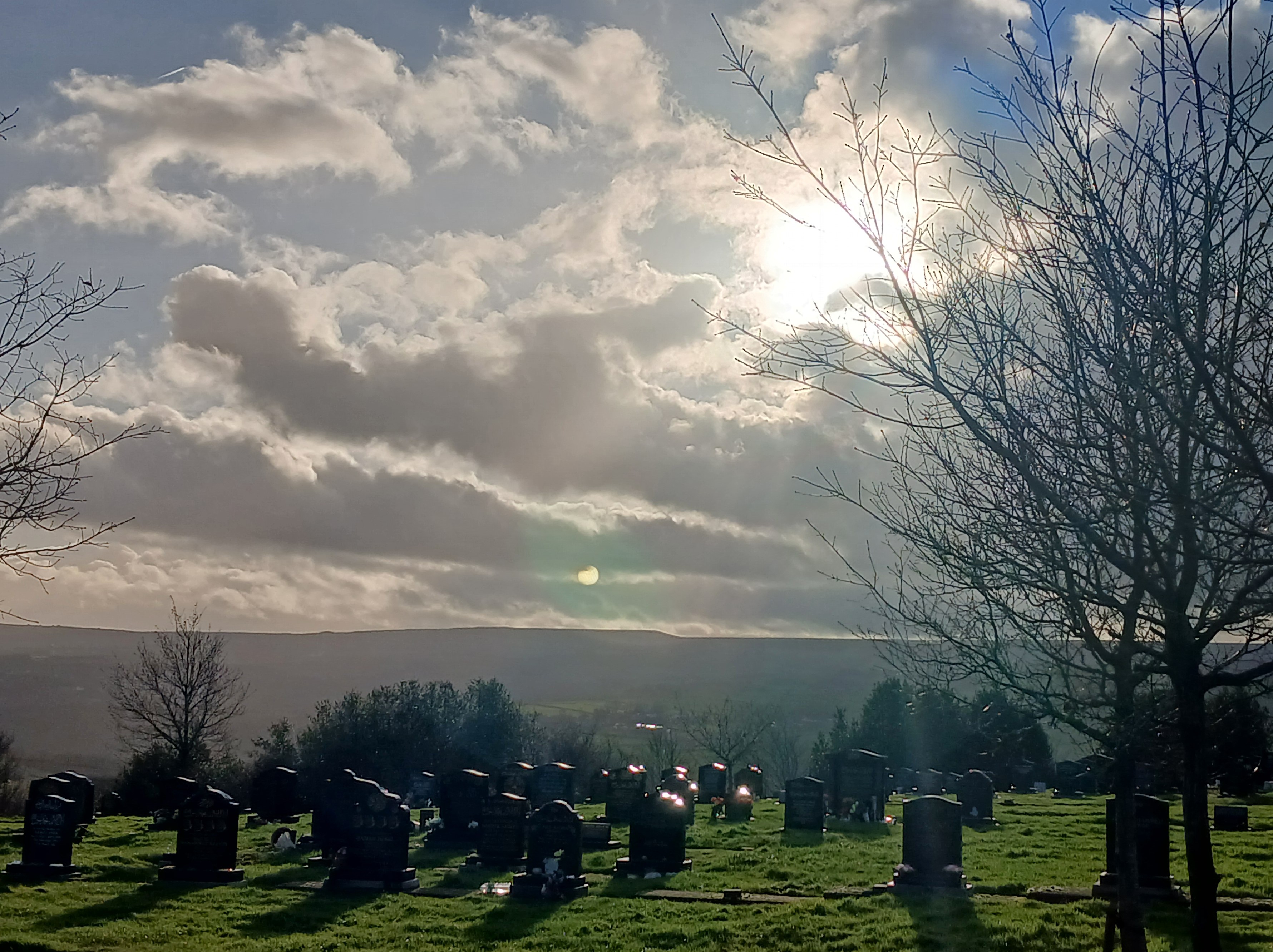
At times of loss, a celebrant can help to support, guide and lead the preparation of the funeral service or memorial.
I will work closely with you to prepare a fitting funeral or memorial, learning as much as possible about the deceased and reflecting their personality and interests in the ceremony.
With a celebrant-led funeral, you have the freedom to design the service that meets your needs. You can work with traditional structures or introduce unique elements that capture something special about your loved one.
As well as crafting a suitable tribute, I will prepare and lead a service that honours their memory and looks after the living.
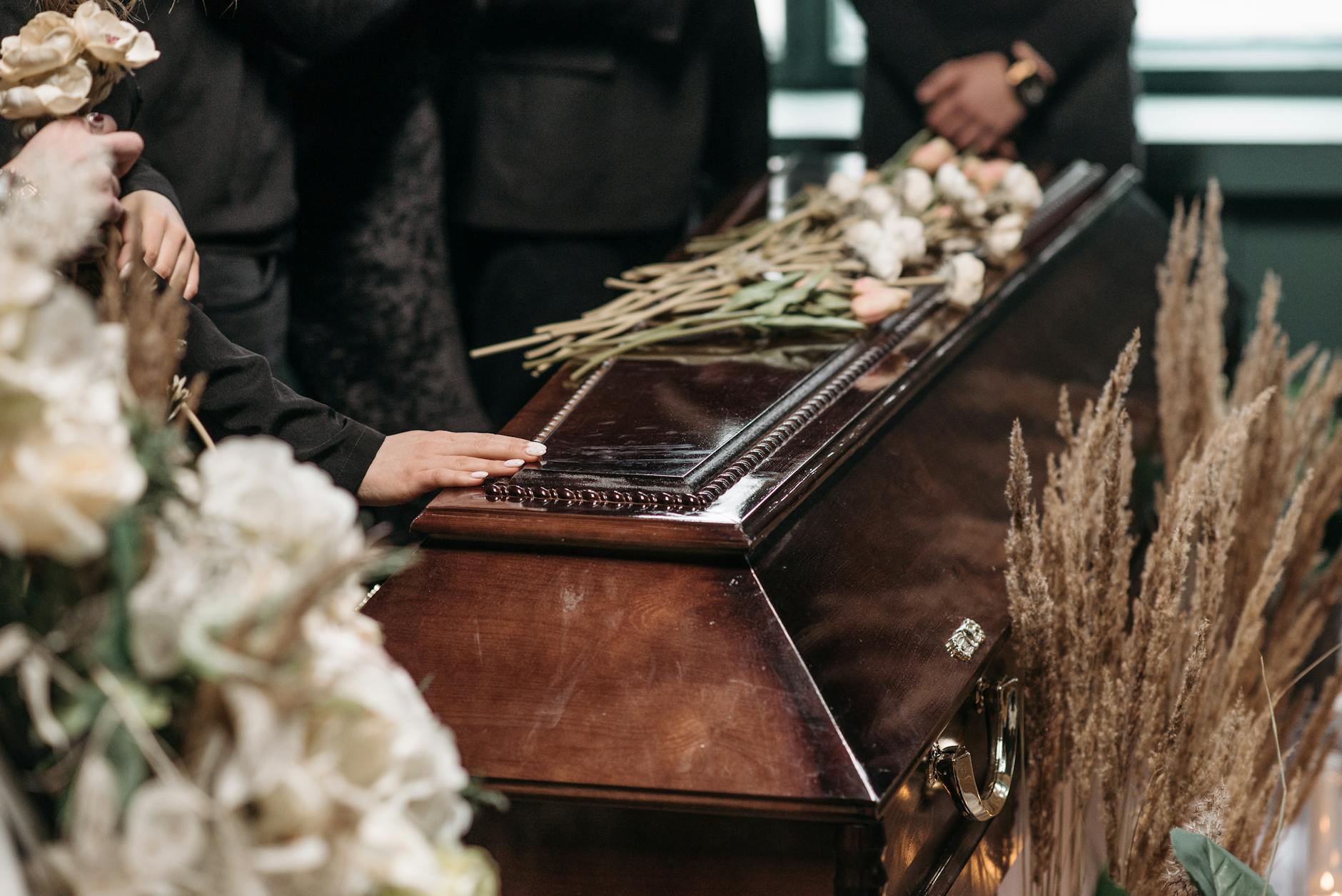
I offer three main funeral types that can be adapted and personalised to your needs.
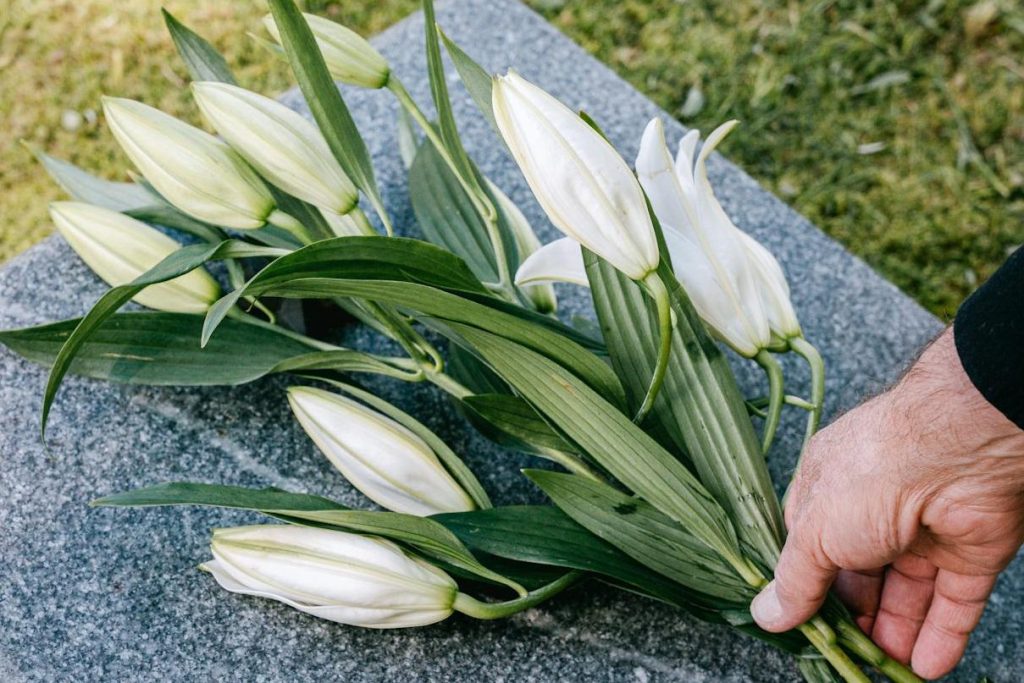
Traditional
Traditional funerals follow the traditional style of funeral service, usually happening immediately before the burial or cremation, and include music, readings, a eulogy and maybe a video montage.
Contemporary
Contemporary funerals allow more flexibility to move away from traditional ideas and add your own funeral elements, such as rituals from other traditions and cultures or personalised acts of remembrance.
Celebratory
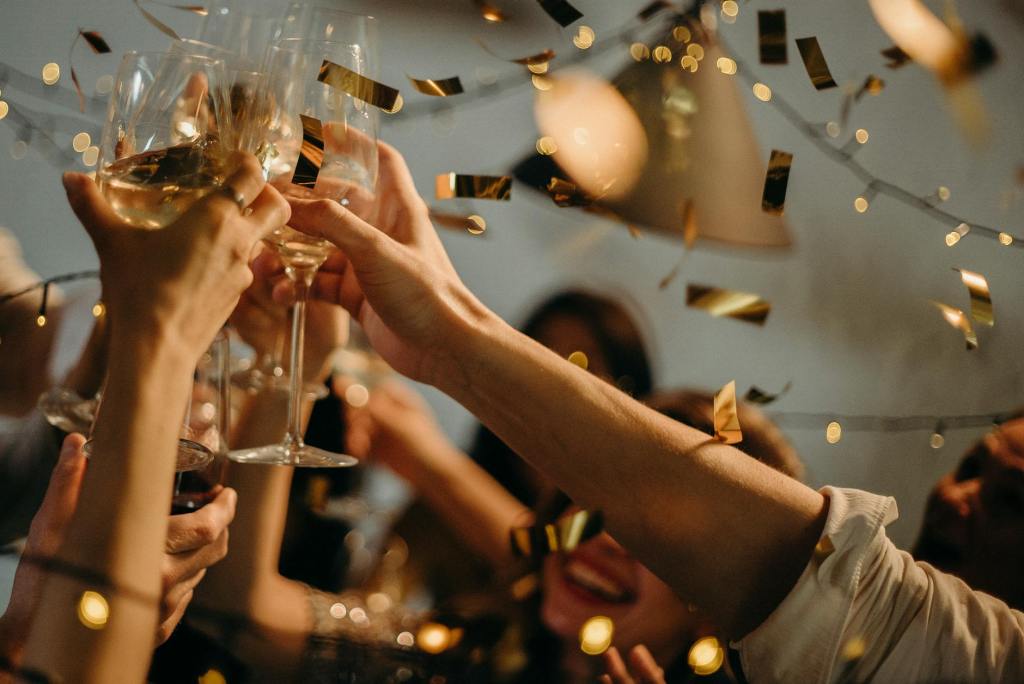
Celebratory funerals are less solemn and encourage a lighter, more celebratory atmosphere than traditional and contemporary funerals. Alternatively, you may wish to hold a Celebration of Life separately from the burial or cremation.
ECO-FRIENDLY FUNERALS
Eco-friendly funerals are also increasingly popular options to consider. These are funerals which have the least possible impact on the environment. One way to think about the environmental impact of the funeral is in the choice of casket. Natural coffins, made from biodegradable and / or sustainable materials, are becoming more and more common, and sustainable urns are also an option.
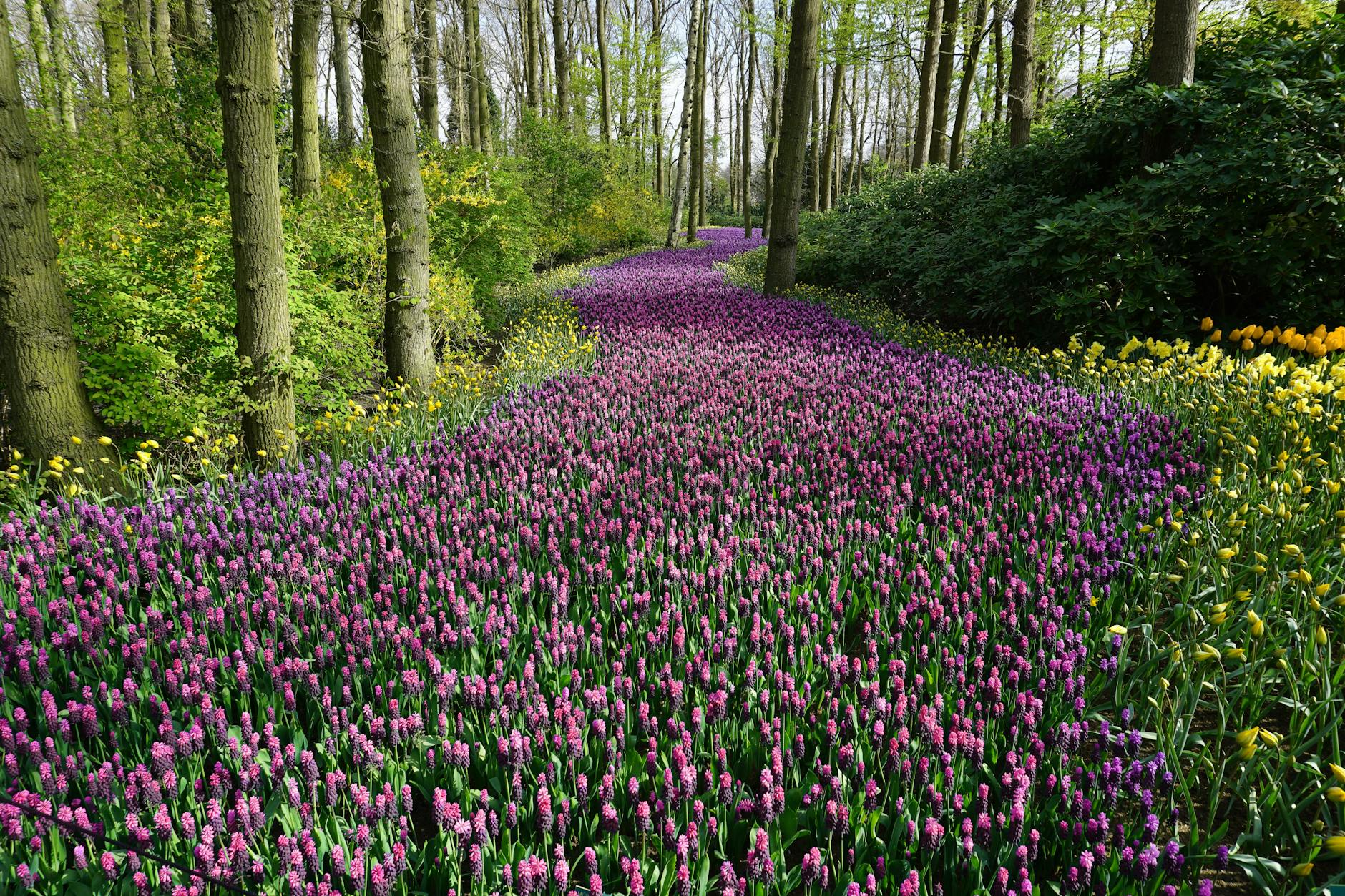
Natural burial grounds are also appearing more frequently. These are burial grounds which maintain the natural process: biodegradable coffins, or plain shrouds, are used so that the body can nourish the earth to which it is returned.
Bodies in natural burials are usually not embalmed to avoid the use of chemicals. And the burial sites tend to avoid placing headstones which dominate the landscape. Some may use flat grave markers, others natural grave markers such as trees, and some will use no grave marker at all.
Cremations tend to be less eco-friendly than burials due to the energy consumed. Nonetheless, it is still possible for ashes to be interred in some natural burial grounds, or scattered in nature. There are also continual improvements being made to the cremation process so that it becomes greener, including electric crematoria and the possibility, in future, of hydro-cremation by water.
 Dave Calvert: The Community Celebrant